No products in the cart.
The Art of Seeing: Light, Perspective, and Framing in Photography
Photography is more than capturing what’s in front of you—it’s learning to see the world in different ways. It’s the sunlight that transforms a scene, the angle that uncovers hidden beauty, and the quiet balance when everything aligns within your frame. The start can come from using what’s already around you. In this blog, we’ll explore three visual essentials—light, perspective, and framing—and how they can turn everyday moments into compelling stories. By applying these essentials, you’ll start to notice the details, moods, and compositions that make your photos come alive.
التصوير هو أكثر من مجرد التقاط ما أمامك—إنه تعلّم رؤية العالم بطرق مختلفة. إنه ضوء الشمس الذي يحوّل المشهد، والزوايا التي تكشف عن الجمال الخفي، والتوازن الهادئ عندما تتناغم جميع العناصر داخل الإطار. يمكن أن تأتي البداية من استخدام ما هو موجود بالفعل من حولك. في هذه المدونة، سنستكشف ثلاثة عناصر بصرية أساسية—الضوء، والمنظور، والتأطير—وكيف يمكنها تحويل اللحظات اليومية إلى قصص جذابة. ومن خلال تطبيق هذه العناصر، ستبدأ بملاحظة التفاصيل والأجواء والتراكيب التي تجعل صورك تنبض بالحياة.Light: The Storyteller
Light is the secret ingredient that can turn an ordinary photo into something unforgettable. It shapes colors, defines textures, and gives images depth. During the golden hours — those brief moments after sunrise and before sunset — light becomes softer and warmer, adding a natural glow to your shots. Try shooting from with the side light to highlight patterns or rough surfaces, or use reflections from glass and water to bring unexpected brightness into your frame. Backlighting, when used well, can outline shapes or create silhouettes that add drama and dimension. Keep an eye on how the light shifts throughout the day — mastering that change is what separates a good photo from a great one. The silhouetted cityscape against the sunset in the Figure 1, emphasizes the dramatic contrast between shadow and bright background.
الضوء هو العنصر السري الذي يمكن أن يحوّل صورة عادية إلى شيء لا يُنسى. فهو يشكل الألوان ويبرز الملمس ويمنح الصور عمقًا. خلال الساعات الذهبية — وهي اللحظات القصيرة بعد شروق الشمس وقبل غروبها — يصبح الضوء أكثر نعومة ودفئًا، مضيفًا توهجًا طبيعيًا للقطاتكم. جربوا التصوير بالإضاءة الجانبية لتسليط الضوء على الأنماط أو الأسطح الخام، أو استخدموا الانعكاسات على الزجاج أو الماء لإضافة إضاءة غير متوقعة داخل الإطار. يمكن للإضاءة الخلفية، عند استخدامها بشكل جيد، أن تحدد الأشكال أو تخلق ظلالًا تضيف دراما وعمقًا للصورة. راقبوا كيف يتغير الضوء على مدار اليوم — ففهم هذا التغير هو ما يميز الصورة الجيدة عن الرائعة. في الشكل 1، المدينة الظلية مقابل غروب الشمس، تبرز التباين الدرامي بين الظل والخلفية المضيئة.
The silhouetted cityscape against the sunset, Dubai (Source: Arwador)
Perspective: Changing How You See
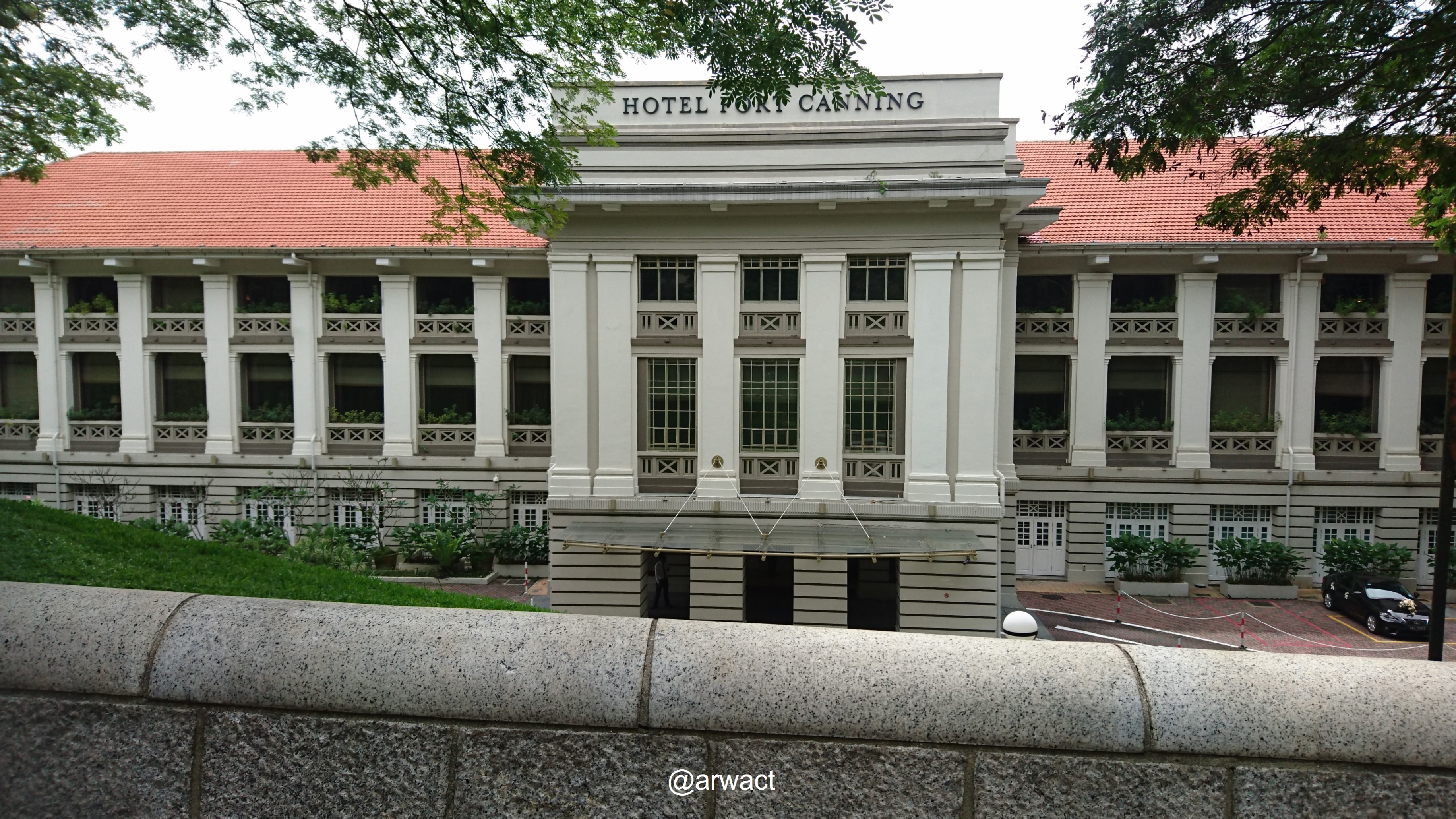
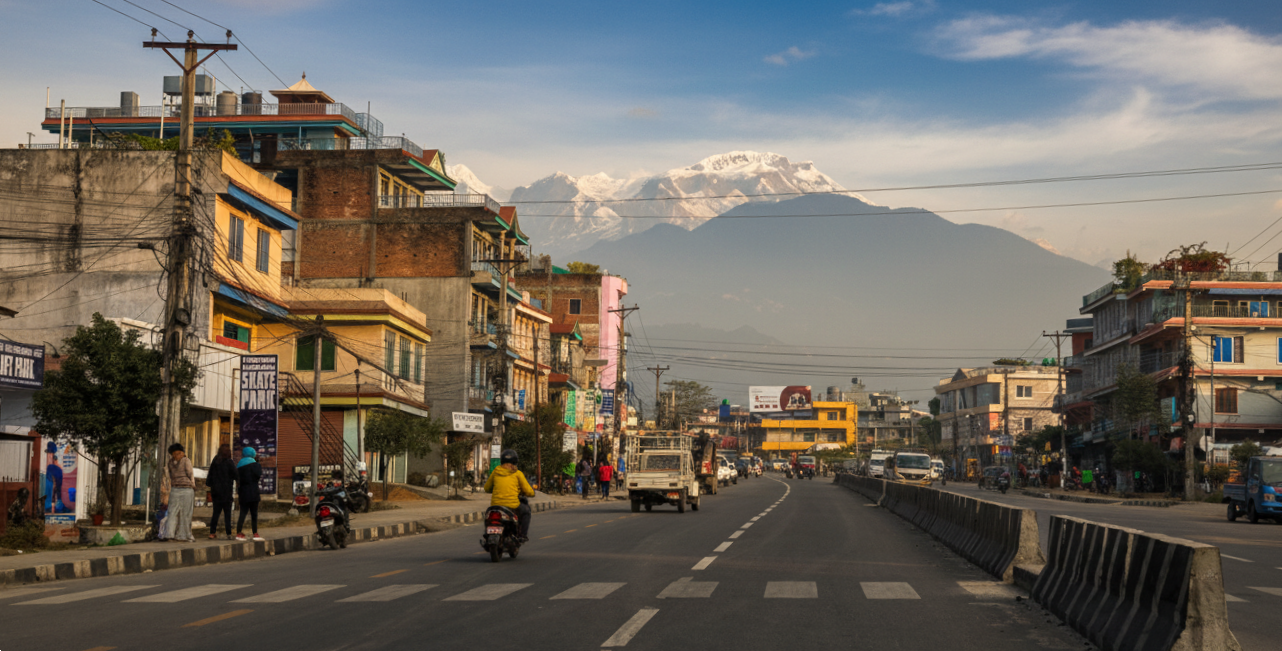
Perspective is what gives your photos personality. It’s the difference between simply showing a place and making someone feel it. Don’t be afraid to move around — crouch low to draw the viewer’s eye into the scene, look up to exaggerate height and scale, or find a higher spot to capture clean lines and symmetry. Changing your angle can reveal new shapes, patterns, and stories within the same scene. The more you experiment with perspective, the more your photos start to reflect how you see the world (Figure 2).
المنظور هو ما يمنح صوركم طابعها الخاص. إنه الفرق بين أن تُظهروا المكان فحسب، وأن تجعلوا من يراه يشعر به. لا تخافوا من الحركة — انحنوا إلى الأسفل لتوجيه عين المشاهد إلى عمق المشهد، ارفعوا الكاميرا للأعلى لتضخيم الطول والارتفاع، أو ابحثوا عن مكان مرتفع لالتقاط خطوط نظيفة وتناسق جميل. تغيير زاوية التصوير يمكن أن يكشف عن أشكال وأنماط وقصص جديدة داخل المشهد نفسه. وكلما جربتوا زوايا مختلفة، أصبحت صوركم أكثر تعبيرًا عن الطريقة التي ترون بها العالم (الشكل 2).
Framing: Guiding the Eye
Framing is what turns a simple photo into a story. By using what’s already in your environment — archways, windows, doorways, fences, or even tree branches — you can naturally guide the viewer’s eye toward your subject. A good frame adds depth and context, making the viewer feel as though they are looking into the scene rather than just at it. Whether it’s a street framed by buildings or a person seen through a window, thoughtful framing creates layers that make a photo more dynamic and immersive. For example, in Figure 3-a, the trees in the foreground create a soft border that directs the viewer’s attention toward the mosque. The river adds a layer of depth and reflection, while the hazy mountains in the background provide atmospheric perspective, enhancing the sense of distance and serenity. The mosque is positioned near the center of the frame, reinforcing its importance as the main subject.
The riverside photo shown in Figure 3-b uses natural framing, with leaves at the top and foliage along the edges guiding the viewer’s eye toward the colorful town and flowing river. The river acts as a leading line, reinforcing the visual elements of the photo.. The perspective creates depth, while the warm light enhances the greenery and pastel tones of the buildings, giving the scene a welcoming and harmonious feel.

Great photography isn’t about luck — it’s about awareness. When you start paying attention to how light defines shapes, how perspective changes a story, and how framing draws the eye, your photos become more intentional and expressive. Each image you take becomes more than a record of where you’ve been — it becomes your way of seeing the world. So next time you head out with your camera, slow down, look closer, and let the city reveal its best angles to you.
Share your photos with us — and tell us which element spoke to you most: light, perspective, or framing.